Pushing Joint Offers in the Netherlands: How to Work with One of the Most Demanding GEOs in Europe
The Netherlands is not a GEO where you can just shout, “Miracle joint cure in 7 days!” and expect a good CR. Here, the audience is adult, educated, and… skeptical. Dutch people, like most Europeans, are used to being informed about health, reading ingredients, asking questions, and not trusting aggressive marketing.
But that’s exactly why promoting joint products in this country is an interesting niche. People genuinely care about quality of life, want to stay active longer, and are willing to pay for products that seem reliable and premium. We’ll cover the right approaches and messaging in this article.
GEO Features
The Netherlands is a high-income country with a well-developed health-conscious culture. Walking, cycling at any age, and staying active even in older years is normal here. But an active lifestyle also has a downside — joints feel the strain sooner and more acutely.
It’s important to understand that the Dutch are looking for support — ways to maintain mobility, reduce discomfort, and keep living their usual routines. Any ad claiming to replace medical treatment will immediately turn them off.
A separate point is regulation. Health claims are strictly monitored. A product cannot “cure,” “restore,” or “eliminate inflammation.” All copy must be soft, compliant, and grounded.
Factors Affecting Joint Health
Looking at the audience more broadly, it’s clear: joint problems in the Netherlands are not just age-related. They also come from sports, active jobs, and a generally mobile lifestyle.
People experience knee discomfort after walks, stiffness in the morning, or aches in the back and shoulders. Most often, they don’t rush to a doctor at the first sign — they want to try something gentle, supportive, and hassle-free.
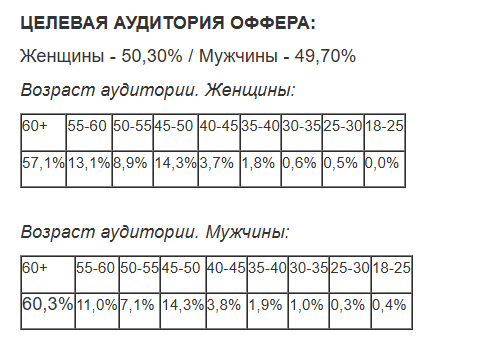
The joint offers audience is fairly evenly distributed:
Customer Problems and Expectations
We surveyed our buyers and identified several typical issues they face:
- Knee and neck pain;
- Sciatic nerve compression;
Back and shoulder aches; - Diabetes;
- Severe pain;
- Osteoarthritis;
- Weather-sensitive joints;
- Numbness in limbs.
What They Expect:
- Relief from the condition;
- Alleviation of existing symptoms and overall improvement;
- Support for the body;
- Preventive use of the product.
The main expectation of the Dutch user is predictability. They are not waiting for a miracle but want to understand what they are paying for. If a product promises joint support, it must clearly explain how it works and which components provide this effect.
At the same time, people are wary of two things: being scammed and harming themselves.
Most Common Objections
The most frequent objection is: “I’ve tried something like this before, and it didn’t work.” Over the years, the nutra market has become saturated, and the audience has negative experiences. The key is not to argue, but to carefully bypass this objection by explaining what makes the product different and why it could work for them now.
The second point is price. Yes, incomes are high in the Netherlands, but people are not willing to pay without reason. They compare, read reviews, and evaluate price-to-value ratio.
Of course, safety is always a concern. What’s inside? Are there side effects? Can it be taken long-term? The calmer and more logical you answer these questions on the landing page, the higher the chance of conversion.
How to Create Effective Ads
Landing Pages
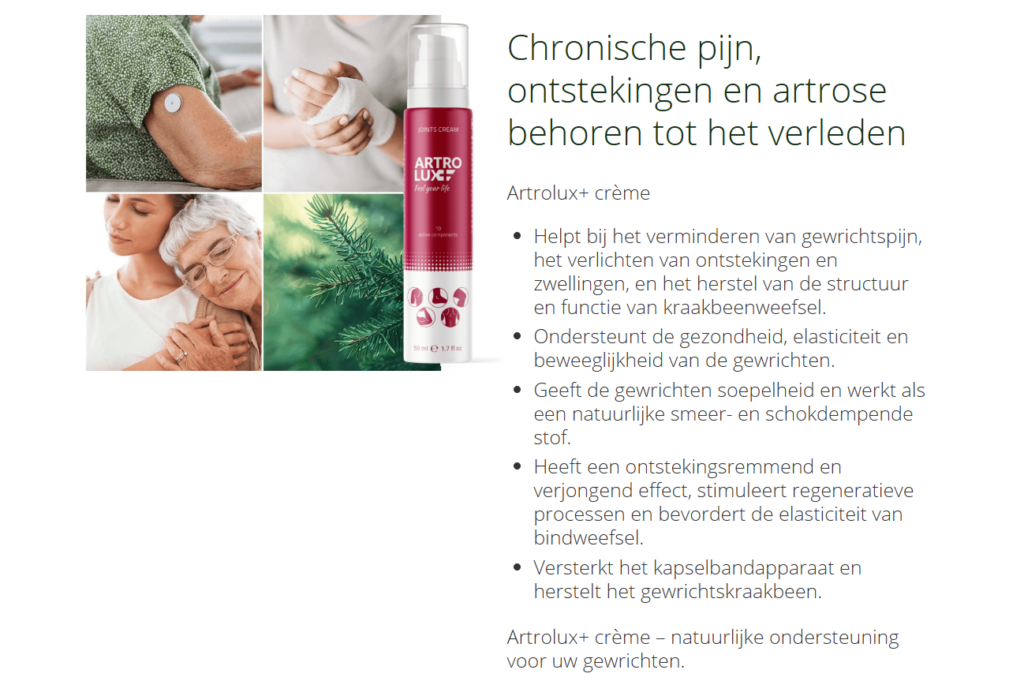
Stories from real life work best: a person who no longer worries about knee discomfort and can enjoy walking or cycling again.
Blocks with answers to frequently asked questions and certificates work well:
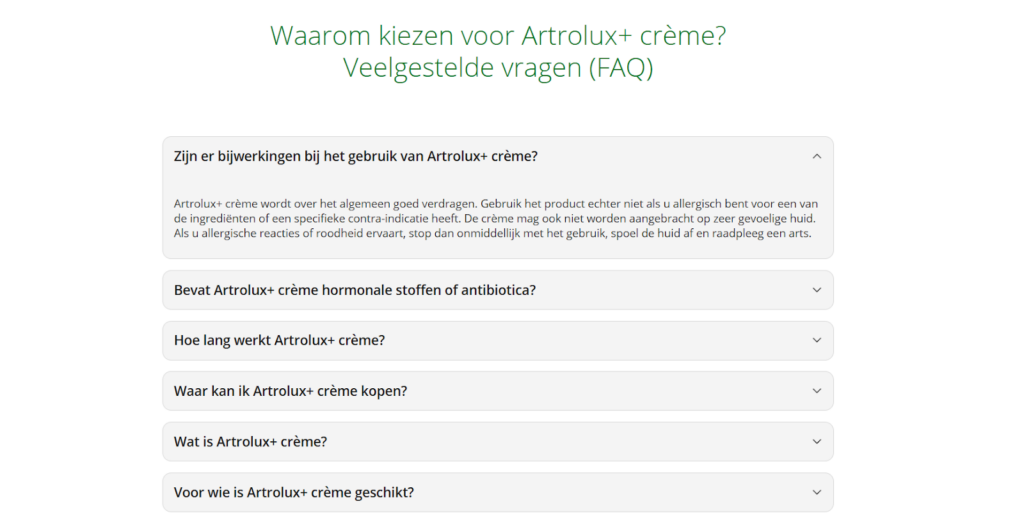
It’s important to explain the formula in detail but in simple language — why each component is included and how it contributes to overall joint support. The clearer the logic, the higher the trust.
Users should see their own problems reflected on the landing page. You can craft stories tailored to specific audience segments, for example, people with comorbid conditions.
Creatives
Visually, the Dutch prefer calm, subtle designs without loud colors or screaming slogans.
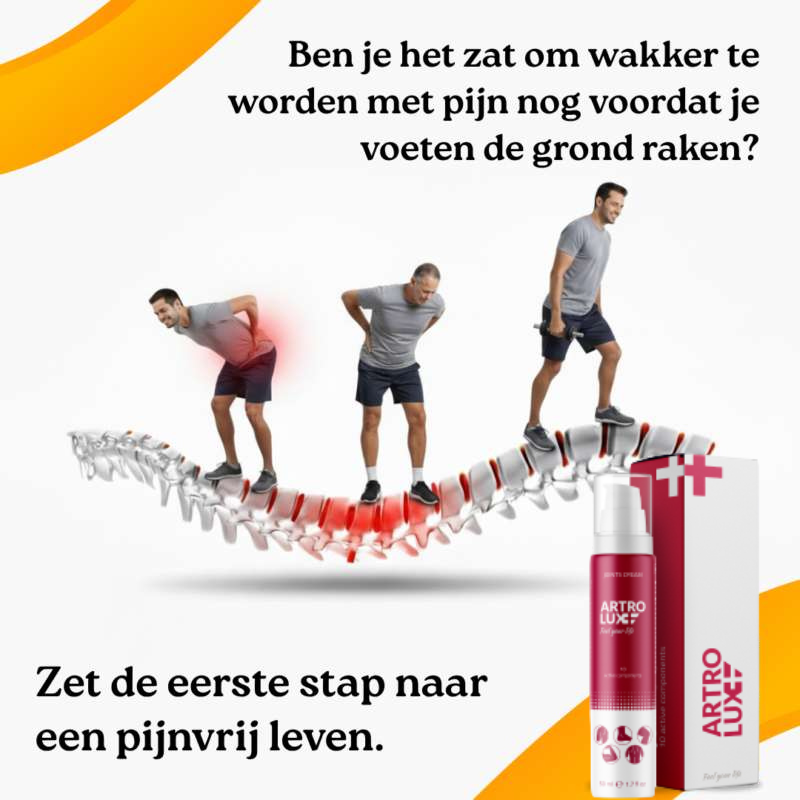
Use real people, genuine emotions, and active lifestyles. (If you use AI-generated visuals, make sure they look as natural and realistic as possible.)
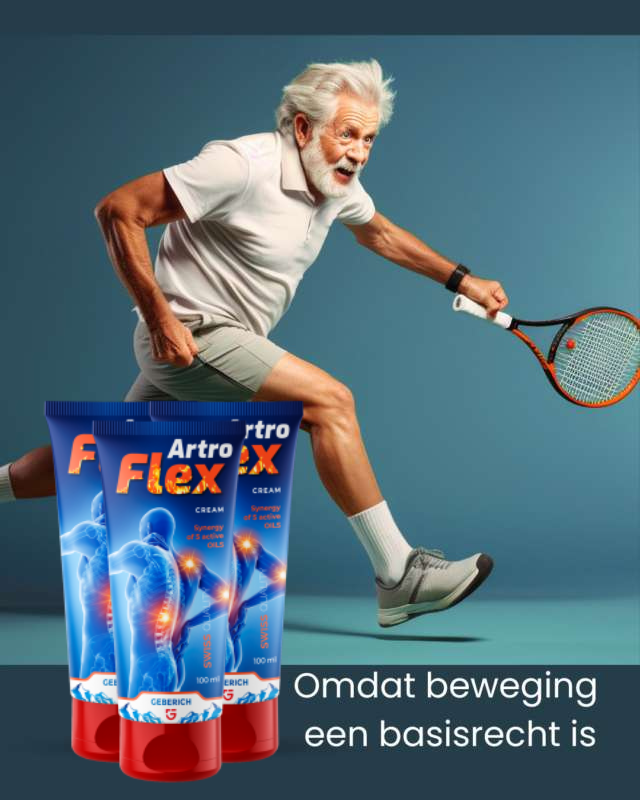
Creatives
Creatives that show happy, active people perform better than those focusing on pain.
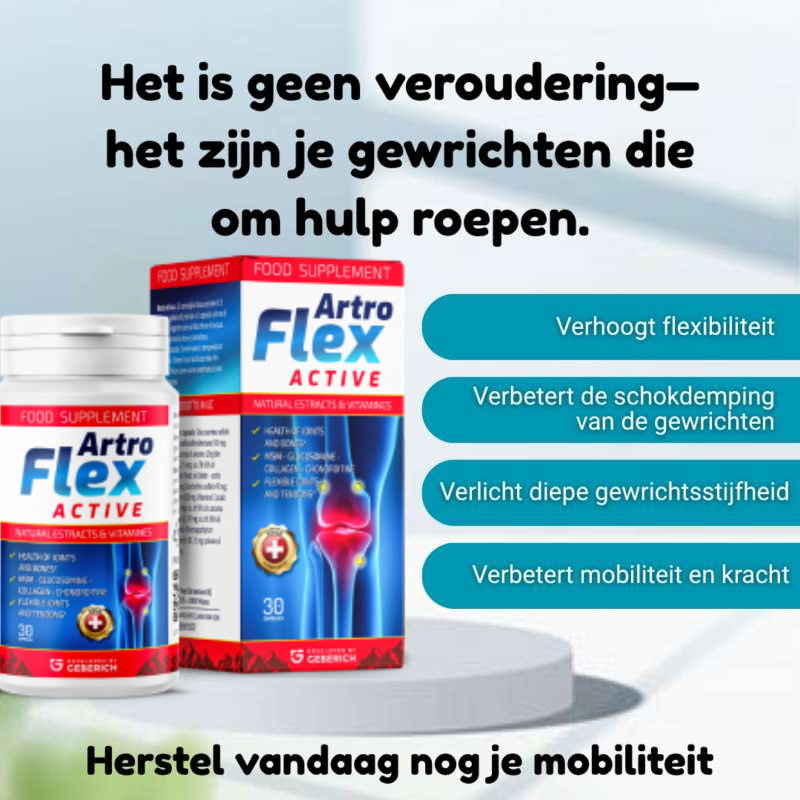
The communication tone should be calm and confident. Phrasing should feel like care, not a hard sell: support, comfort, daily joint care, natural ingredients, well-thought-out formula.
The best-performing formats are those with explanations:
- Videos with light storytelling;
- Landing pages with a logical structure;
- Texts that aren’t afraid to be longer but remain easy to read and not overwhelming.
What to Run and How to Test
Right now, you can contact your personal manager and launch one of these offers: Artrolux+ Cream, ARTROFLEX Cream, and Artroflex Active.
If you have any questions, don’t hesitate to ask — the team is happy to share tips and nuances.
Conclusion
Working with the Netherlands is interesting and profitable: it’s a high-income country with informed people who are used to shopping online. The approach here is similar to Germany, Switzerland, and Sweden — if you haven’t read the breakdowns for those GEOs yet, we highly recommend doing so!